
The Archaeological Museum and Historic Sites
Explore Montelupo's Past

The exhibited material and stored pieces amount to about 3,000 artifacts of various origins. The creation of the Archaeological Museum has given a defined museum identity to materials of great importance, the result of over thirty years of research conducted in the heart of Northern Tuscany.
INAUGURATED IN 2007 IN THE FORMER COMPLEX OF SAN QUIRICO AND SANTA LUCIA, THE ARCHAEOLOGICAL MUSEUM IS ONE OF THE MOST IMPORTANT OF ITS KIND ACROSS THE WHOLE NATION, BOTH FOR THE QUANTITY OF DISPLAYED ARTIFACTS AND ITS RESEARCH DIVERSIFICATION
Due to its peculiar history, the exhibition center has a distinctive character that sets it apart from most civic museums in Tuscany and other Italian regions, in terms of both its extensive geographical reach and its significant chronological reference. The Museum’s rooms host relics from over 160 prehistoric stations: the protohistoric artifacts from the Valdarno hut settlements; the first traces of settlement in the highland Etruscan centers and of the Roman colonization, alongside the consequent radical transformations on the territory; the long transition to the Middle Ages, and the birth of new settlements that supported the miracle of Renaissance Florence.
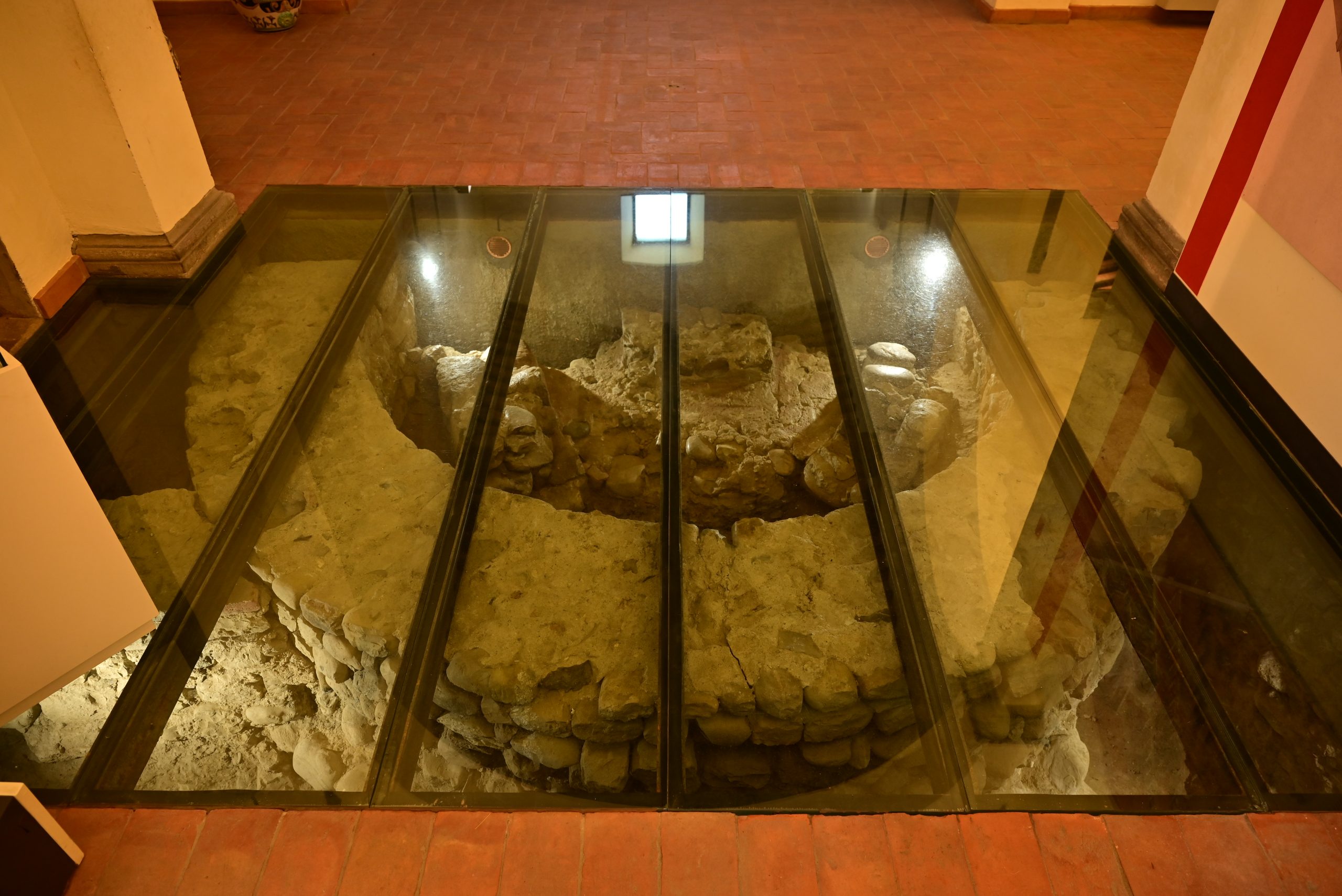
Other archaeological areas:
THE ROMAN VILLA OF VERGIGNO
An extraordinary example of rustic Roman dwelling from the Republican era
LOCATED BETWEEN THE PESA STREAM AND VERGIGNO, THE VILLA DATING BACK TO THE 1ST CENTURY BC IS AN EXTRAORDINARY EXAMPLE OF RUSTIC ROMAN DWELLING FROM THE REPUBLICAN ERA AND EXTENDS OVER AN AREA OF ABOUT 500 SQUARE METERS, COMPOSED OF A LARGE RESIDENTIAL PART AND AN AGRICULTURAL ONE.
The villa, whose layout was entirely reconstructed, is a unique example in the province of Florence, and it features a majestic residential wing with 16 rooms across two floors, reflecting the typical architecture of the city domus.
On the lower floors, in addition to a large portico, you’ll find the remains of the thermal baths, including the frigidarium, the tiepidarium pool, the laconicum for steam baths, and the calidarium. In the latter two environments, the raised floors allowed the circulation of hot air underneath. There are also areas in the villa that used to be designated for agricoltural productions, including two kilns for ceramic firing; a room for grape pressing and two more rooms, with floors made out of mortar and cocciopesto, to store the pressed juice.
THE ARCHAEOLOGICAL PARK OF MONTEREGGI
An archaeological park to rediscover the Etruscan people
The ceramic artifacts and amphora fragments found have revealed a settlement from the Protovillanovan era (12th-11th century BC), preceding the first Etruscan constructions in the area, dating to the mid-6th century BC. The archaeological exploration of the acropolis then revealed the presence of buried structures, whose association with votive artifacts suggests their designation as a temple area.
Following the aforementioned excavations, the Archaeological Park of Montereggi was established in 1986, with many artifacts displayed at the Archaeological Museum of Montelupo. Recent investigations of the site have also uncovered large sandstone wall structures with a significant elevation, from which it is deduced that the summit profile of the Montereggi hill is actually an impressive terracing work.
THE ARCHAEOLOGICAL AREA OF BIBBIANI AND EGG TOMB
The archaeological area of Bibbiani has been the subject of archaeological excavation; in 2005, the remains of a large hut (14×6 meters) were discovered. The area is located in a forest, included in a trekking trail, but currently the excavations are not accessible.
The site of the so-called “egg tomb” was discovered in 2002 by the Montelupo Archaeological Group. It is a platform, created by filling in the sloping area of a rocky ridge until it is flat: a wall, of which two courses of stones remain today, outlines a circle about 25 meters in diameter within it. The archaeological investigation has shown that it is not the remains of a monumental tumulus drum, but a place used to expose the deceased before burial: a practice that finds a very significant example in the Etruscan necropolis of Sarteano. The religious and funerary purpose of this place is suggested by the large egg-shaped monolith (a symbolic element often accompanying Etruscan tombs), connected to an access path with a staircase (now lost), which was reserved for priests. On the southern side, at the base of the upper ridge – where the family of the deceased probably found a place to witness the rite – traces of a path have been detected, which, through a small bridge over the stream, hosted the officiants accompanying the priest and served for the passage of the cart on which the body was placed. This type of ritual suggests that it is an Etruscan place of worship dating back to the 5th century BC. BC.
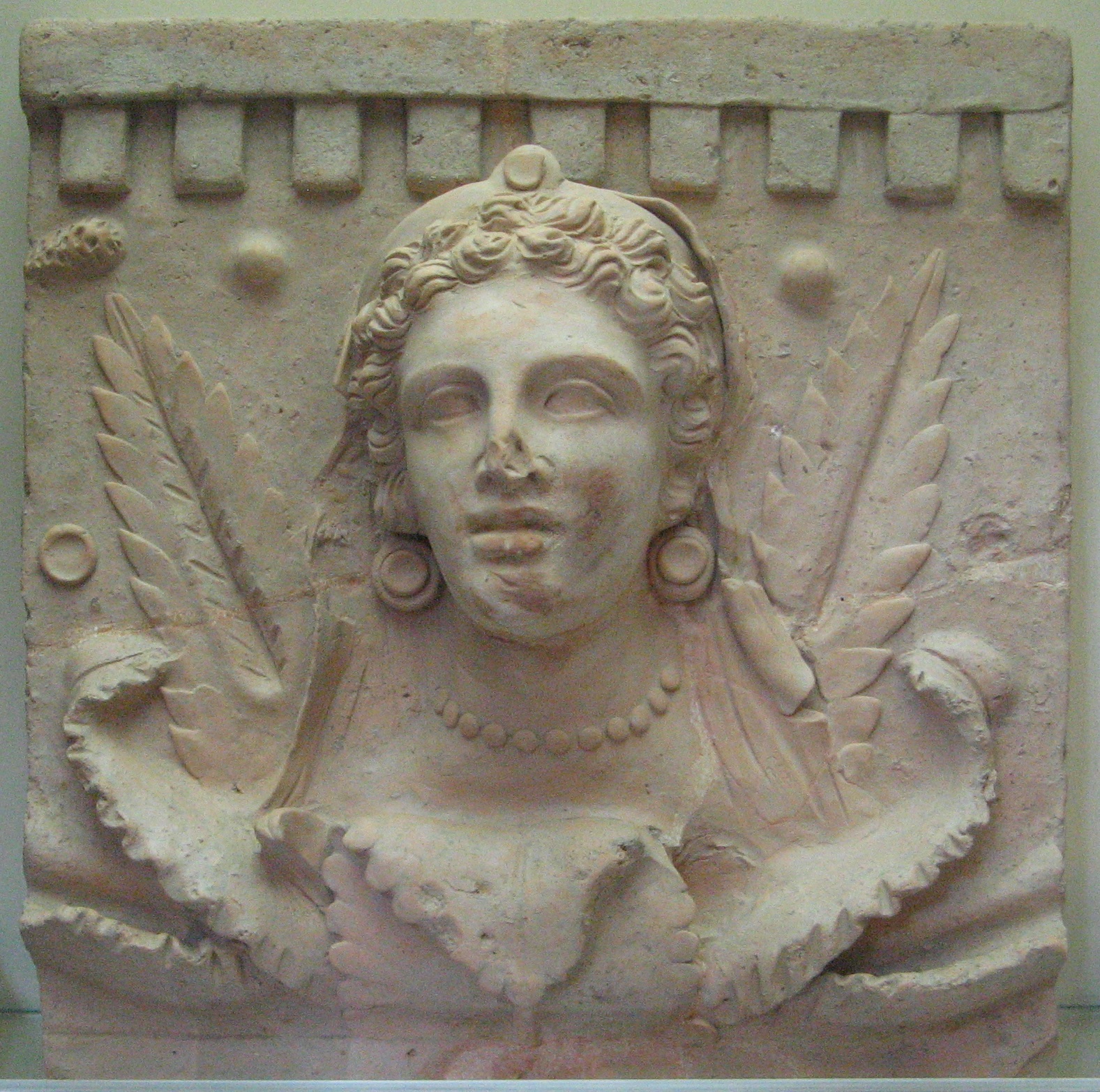
Due to its peculiar history, the exhibition center has a distinctive character that sets it apart from most civic museums in Tuscany and other Italian regions, in terms of both its extensive geographical reach and its significant chronological reference. The Museum’s rooms host relics from over 160 prehistoric stations: the protohistoric artifacts from the Valdarno hut settlements; the first traces of settlement in the highland Etruscan centers and of the Roman colonization, alongside the consequent radical transformations on the territory; the long transition to the Middle Ages, and the birth of new settlements that supported the miracle of Renaissance Florence.