
Places to Visit

Botticelli's Altarpiece
Admire one of the most iconic artworks of the Florentine Renaissance, an expression of the beauty and spirituality of that era, housed in a captivating historical setting.

Baccio da Montelupo
Discover the genius of Baccio da Montelupo, a Renaissance sculptor that left an indelible mark on the Tuscan artistic tradition with his works full of expressive power.
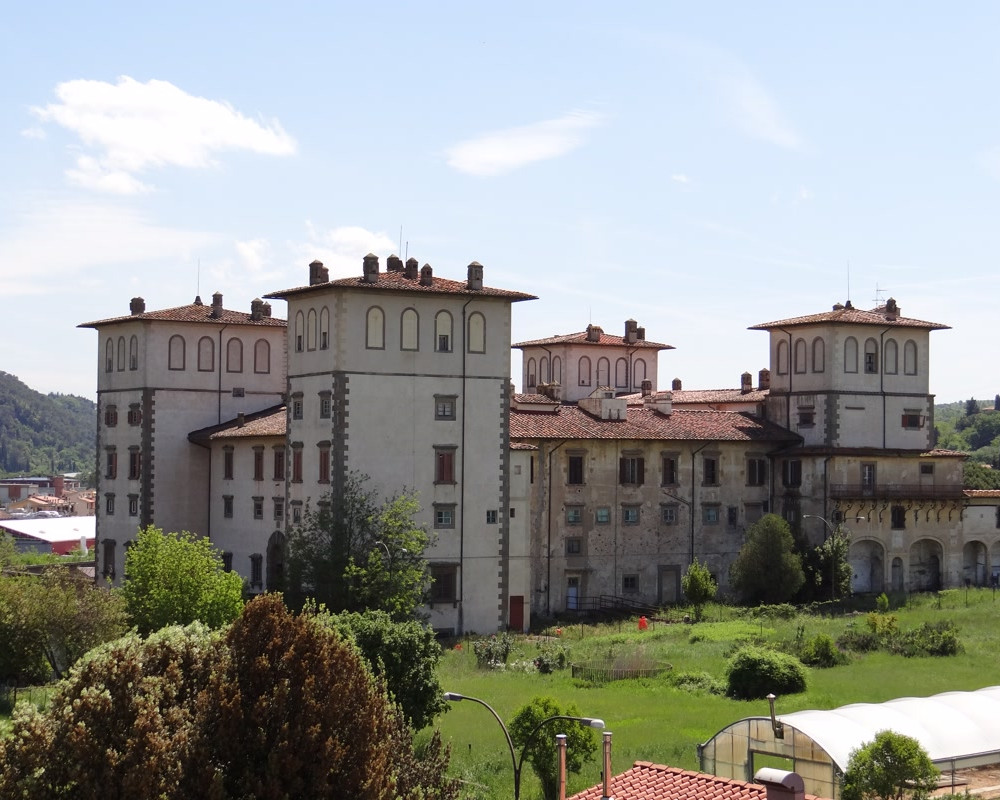
Villa Medici
A deep dive into history and enchanting landscapes: the villa tells the story of the connection between the Medici family and Montelupo.
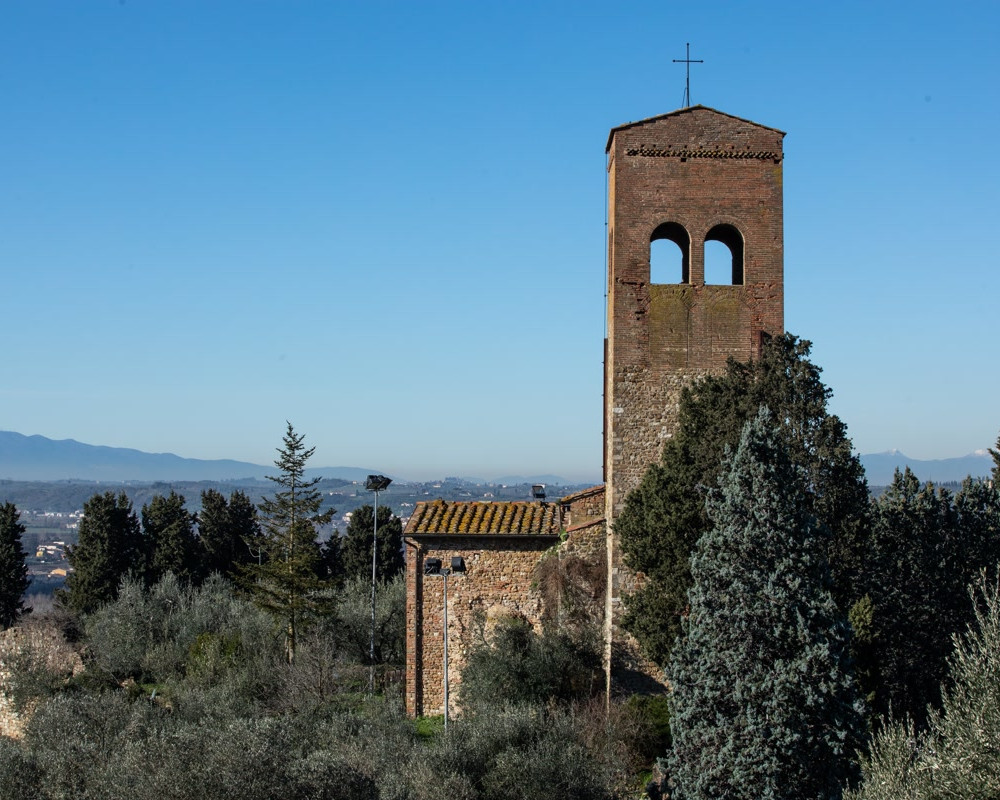
The Priory of San Lorenzo
A place of silence and spirituality, where sacred art intertwines with the history of the town and its local ceramic tradition.

Centi Square
The contemporary heart of the town, where public art and ceramics meet every-day life in a vibrant space open to the community.
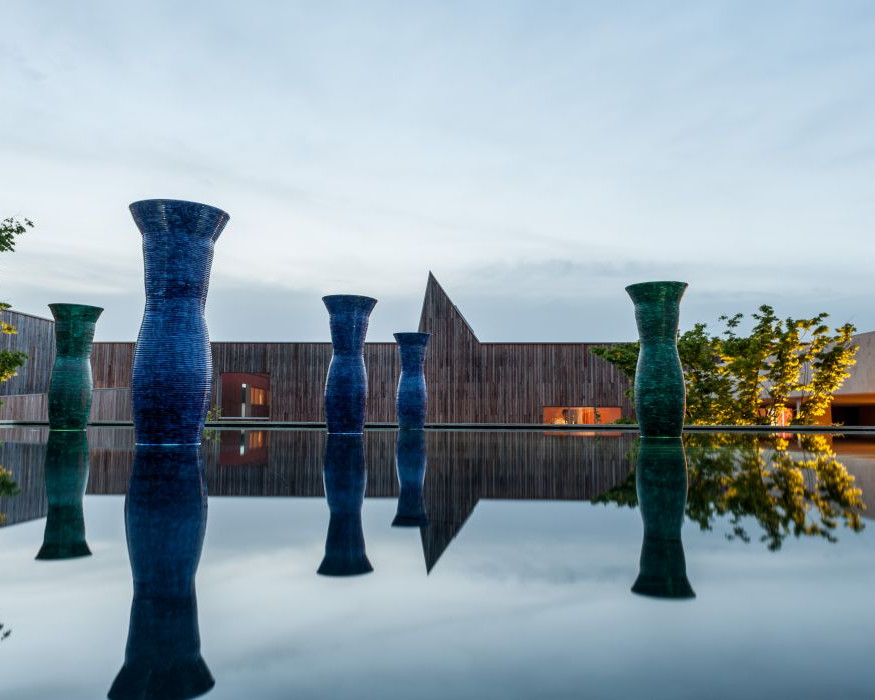
Marco Bagnoli Atelier
Dive into the poetic universe of Marco Bagnoli: conceptual art and ceramics merge in a dialogue between thought, matter, and light.
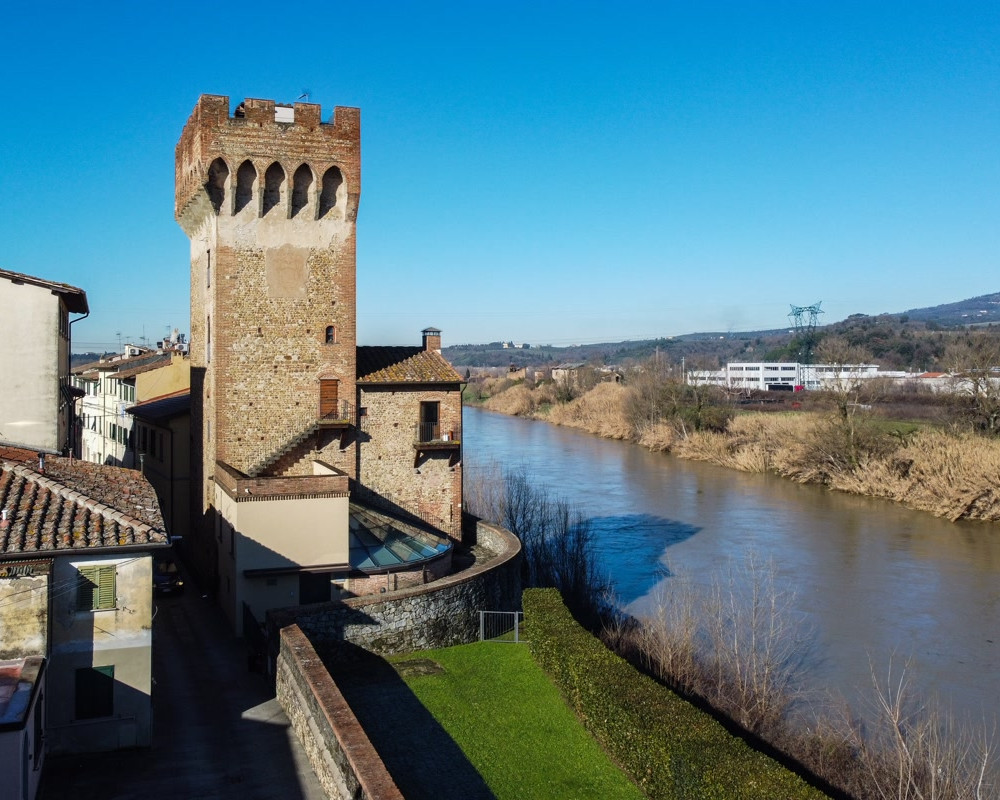
The Tower and the Museum of the Tuscan Flask
A fascinating journey to discover the history of the Tuscan flask and its evolution, between agricultural tradition and design.
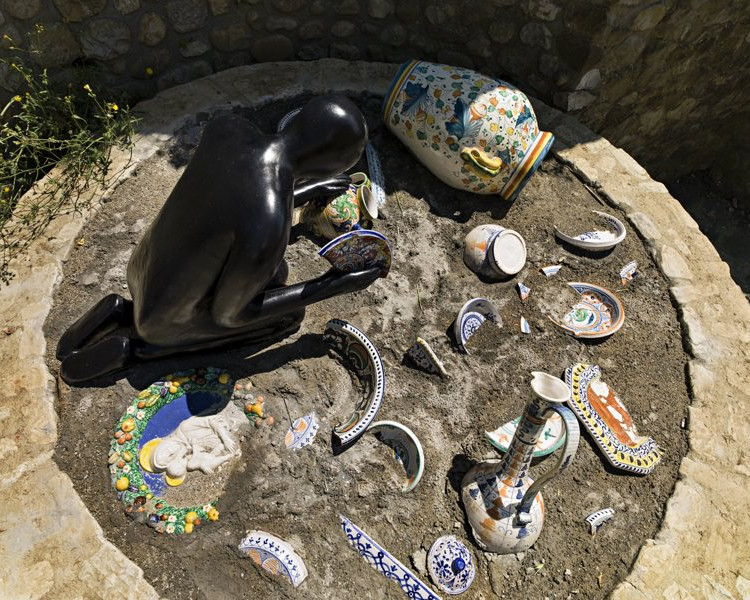
Site-specific artworks
Artworks created to engage with the territory: unique experiences that tell the story of ceramics through artistic installations.
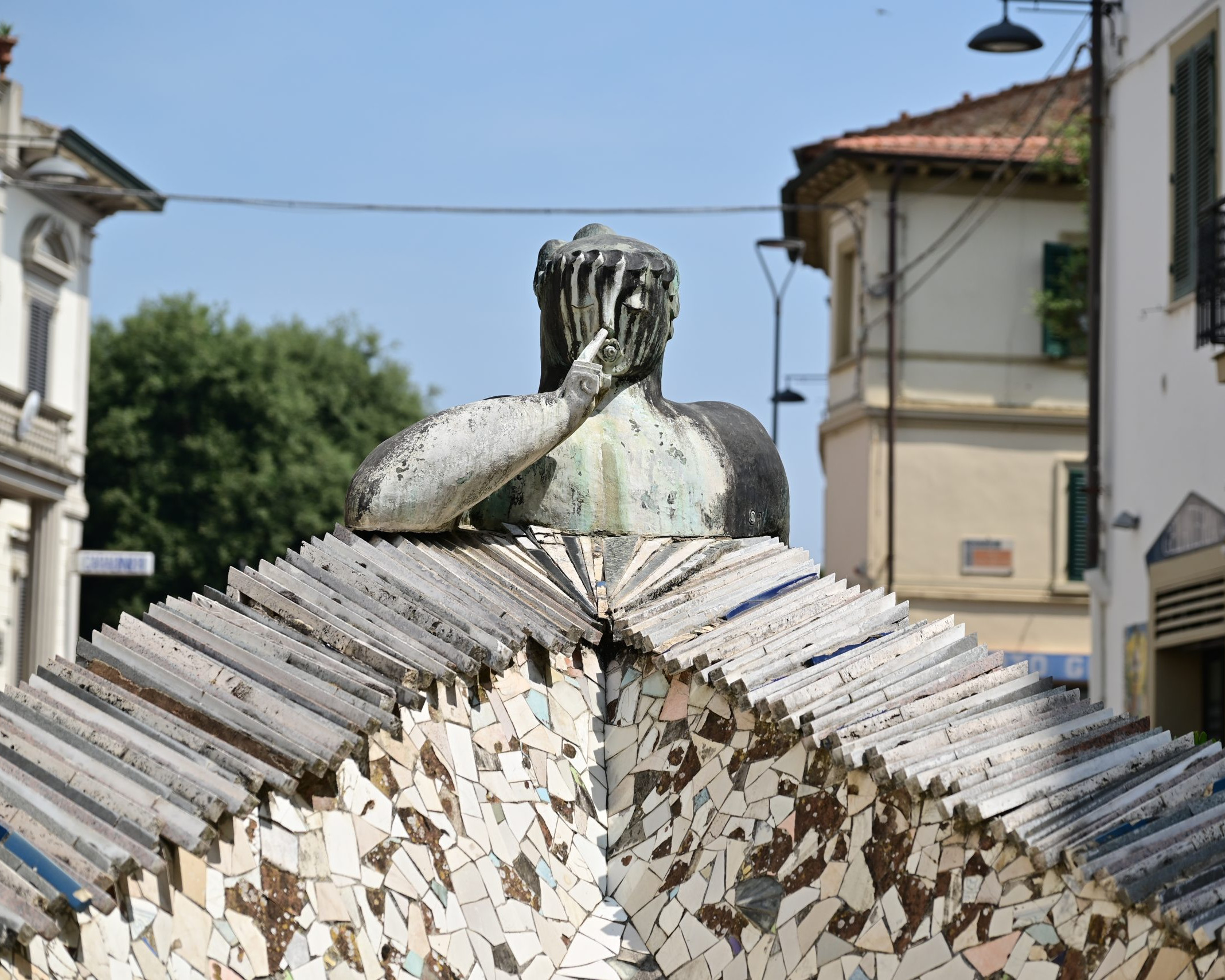
The Boat
In the heart of Montelupo Fiorentino, right where the river Pesa meets the river Arno, stands a unique fountain: a boat carved in stone and covered with colorful ceramics. A striking piece of urban art in the historic center.

The Beppe Forti Astronomical Observatory
The San Vito Astronomical Observatory is the fruit of the strong passion of the Montelupo Amateur Astronomers Group (Gr.A.M) and the collaboration with the Municipal Administration.
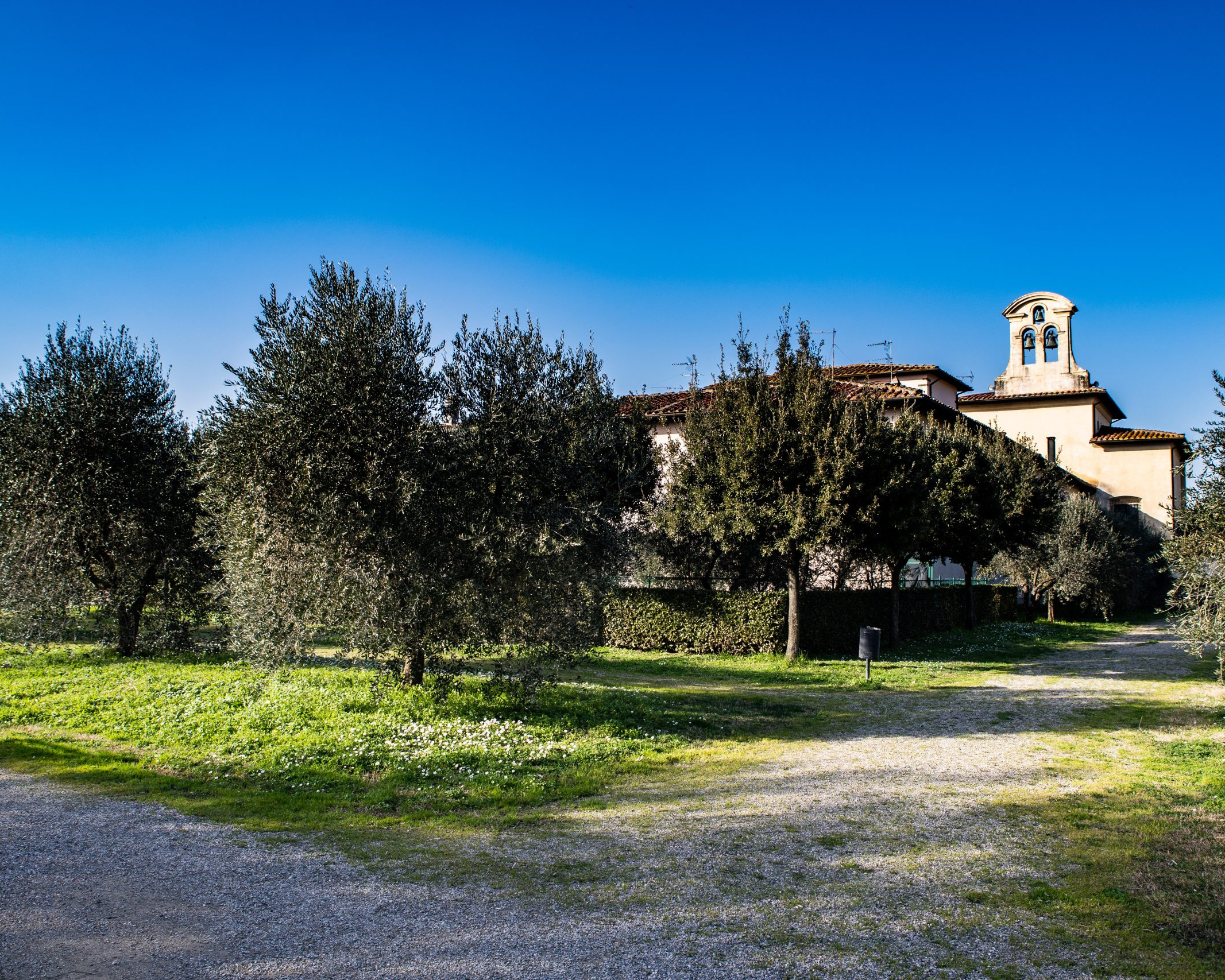
The Friars' Garden
In the 17th century, Grand Duke Cosimo III de’ Medici ordered for a church and a convent of the Order of the Discalced Friars Minor (Reformed Franciscans) of San Pietro d’Alcàntara to be built near the beautiful Villa dell’Ambrogiana in Montelupo Fiorentino, right by the river.
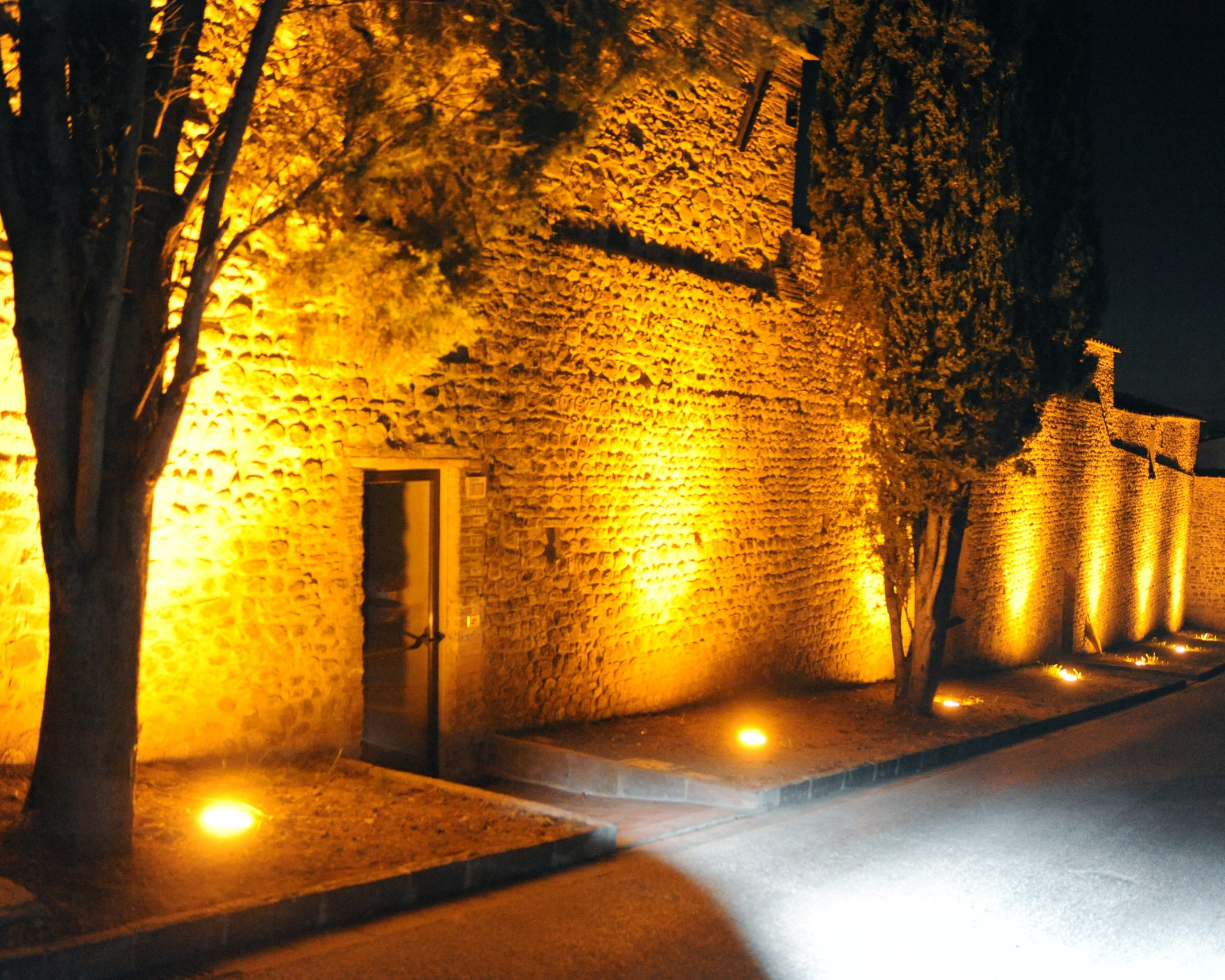
The ancient walls
Visible from the outside, Montelupo was a “walled town” in the Florentine countryside. Its walls were completed in 1348 and are still intact to this day.