
Medici Villa
A historic residence
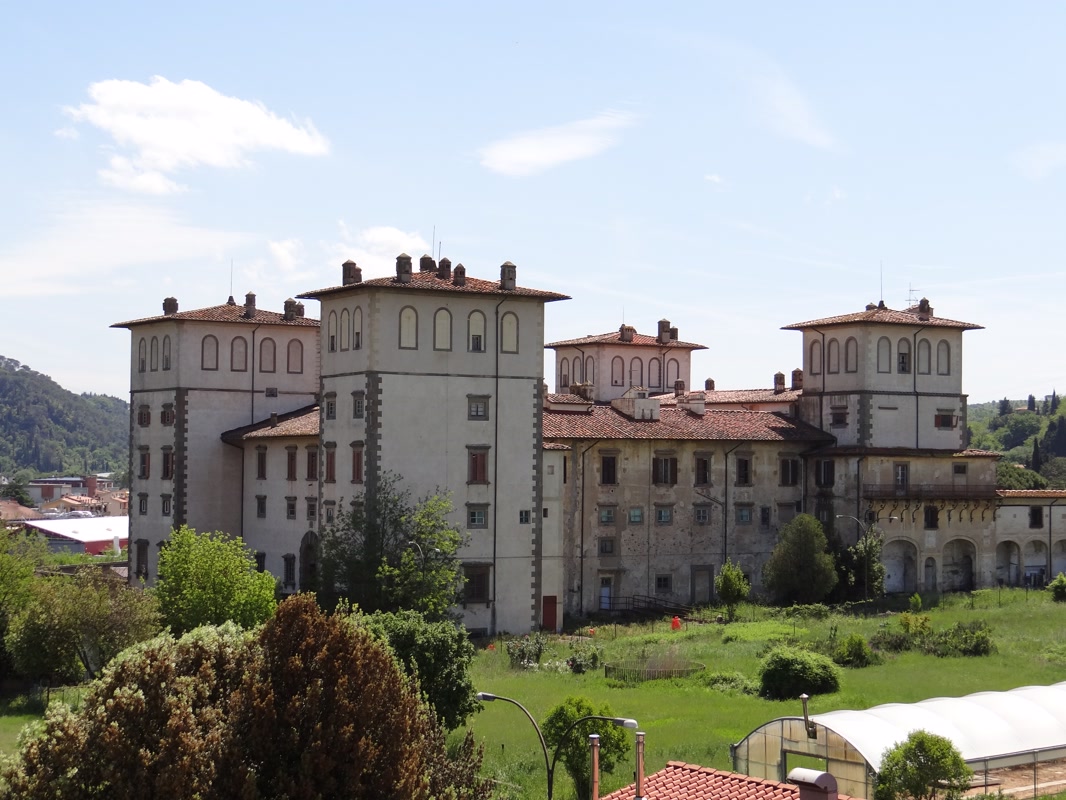
Located on the left bank of the river Arno, alongside the waterway from Florence to the Tyrrhenian Sea, the Ambrogiana Villa was once a flourishing hunting residence of the Medici family inside the homonymous Ambrogiana Park.
The oldest wing of the villa was purchased by Ferdinando I de Medici, who began restoration work in 1587, initially entrusted to Raffaele Pagni and later to Gherardo Menichini, which doubled the corner towers and gave the villa a regular geometric structure. More renovations followed over the centuries, including the construction of an additional floor, as it can be deduced by comparing the lunette by Giusto Utens from 1599 with the painting by Giuseppe Zocchi (1744). The remarkable park-garden expanded all the way to to the riverbank and it featured a Mannerist grotto with water features, created by Giovan Battista Ferrucci known as il Tadda and adorned with bas-reliefs depicting river, fauna, and floral subjects.
From 1886 until early 2017, the Villa housed Italy’s first Criminal Asylum, which was later transformed into a judicial psychiatric hospital. Currently, access to the building is not possible.
THE AMBROGIANA PARK
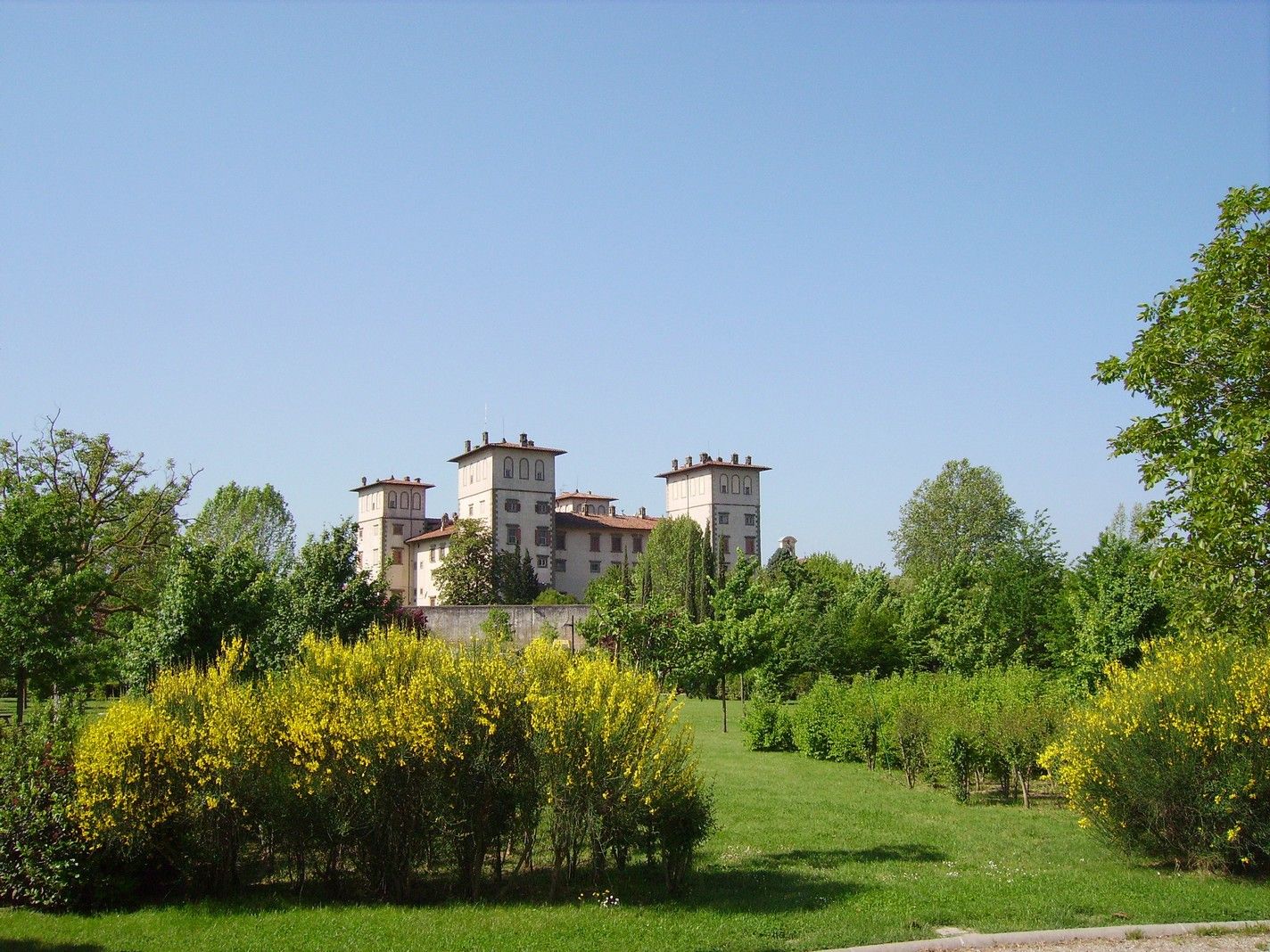
The park is located on the left bank of the river Arno, in one of the city’s most scenic spots, where you can find the Medici Villa.
The oldest wing of the villa was purchased by Ferdinando I de Medici, who began expansion work in 1587. More renovations followed over the centuries, including the construction of an additional floor and the Vasari-style corridor that connected the heart of the Villa to the Church. The remarkable park-garden expanded all the way to the riverbank and it features a Mannerist grotto with water features, adorned with bas-reliefs depicting rivers, fauna, and floral subjects. From 1886 until early 2017, the Villa housed Italy’s first Criminal Asylum, which was later transformed into a judicial psychiatric hospital. Currently, access to the building is not possible.
Walking through the Ambrogiana park, you will find the Church of SS. Quirico, Lucia, and Pietro D’Alcantara. The Church, founded by Cosimo III in 1678, was created from the union of three buildings, the oldest of which was the church of San Quirico, united with the curch of Santa Lucia in 1482. The facade features a reproduction of the allegedly miraculous Cruz de Caravaça, while the holy Crucifix by the school of Baccio da Sinibaldi stands on the left side of the aisle. In the sacristy, there is a sculptural masterpiece of 17th-century Florentine art, the Christ at the Column by Michelangelo Naccherino for Cosimo II. Near the convent you will also find the Friars’ Garden, where flowers used to cultivated, alongside other food products.
Visit Montelupo
Check out our itineraries to discover the city and the history of ceramics
Discover the heart of Tuscan ceramics among museums, workshops, public art, and authentic views. Stroll through the historic center, visit the exhibitions, and let yourself be guided by the colors of tradition. Enjoy a unique experience, tailored to the time you have.